
 England
In this story 7 sections
The week Manchester United nearly lost Rooney
On 19 October 2010, Sir Alex Ferguson told reporters that Wayne Rooney wanted to leave Manchester United. By the end of the week, Rooney had signed a new five-year deal. In between, one of the club’s most important players had publicly questioned whether United could still attract the footballers needed to win the biggest prizes.
That sharp turn is the hook of the story, but it is not the whole story. Rooney later called his transfer request the biggest mistake of his career. He still defended the question behind it: what was United’s plan after losing Cristiano Ronaldo and Carlos Tevez?
At 24, Rooney was coming off a 34-goal season and had been named the PFA Players’ Player of the Year. An ankle injury against Bayern Munich had cut short his spring, but his status at United was beyond dispute. The public uncertainty was not about whether he mattered to the team. It was about whether he wanted to stay.
Questions about the future squad
The team around Rooney had changed. Cristiano Ronaldo had joined Real Madrid in 2009, and Carlos Tevez had moved to Manchester City. United had brought in young players, including Javier Hernández and Chris Smalling, but Rooney later said he wanted to understand how the club planned to keep challenging for trophies.
In a later interview with the BBC, Rooney recalled asking Ferguson what the plan was after Ronaldo and Tevez had left. Ferguson’s reported response was blunt: “Get out of my office.” Rooney said he then took his questions to chief executive David Gill.
That account came years after the events and reflects Rooney’s perspective. What is clear from his public statement at the time is that he wanted assurances about the squad United could build. He said he had not received the answers he was looking for.
Two statements, one very public split
Ferguson’s press conference turned the disagreement into a public event. He said Rooney had told the club he wanted to leave and admitted he was surprised, given Rooney’s earlier commitment to United.
The next day, Rooney answered in his own statement: he would not sign a new contract, and his concern was whether the club could attract top players. For supporters, the argument landed at a sensitive moment. Ronaldo had gone to Madrid, Tevez had joined City, and Rooney was now asking what came next.
Reports linked other clubs with Rooney, including Chelsea and Manchester City. A move to City would have been especially difficult for United supporters to accept: Tevez had already crossed the divide, and Rooney was one of the team’s biggest stars. But no transfer followed. Reports of interest did not establish that Rooney had settled on a particular destination.
Two days later, Rooney stayed
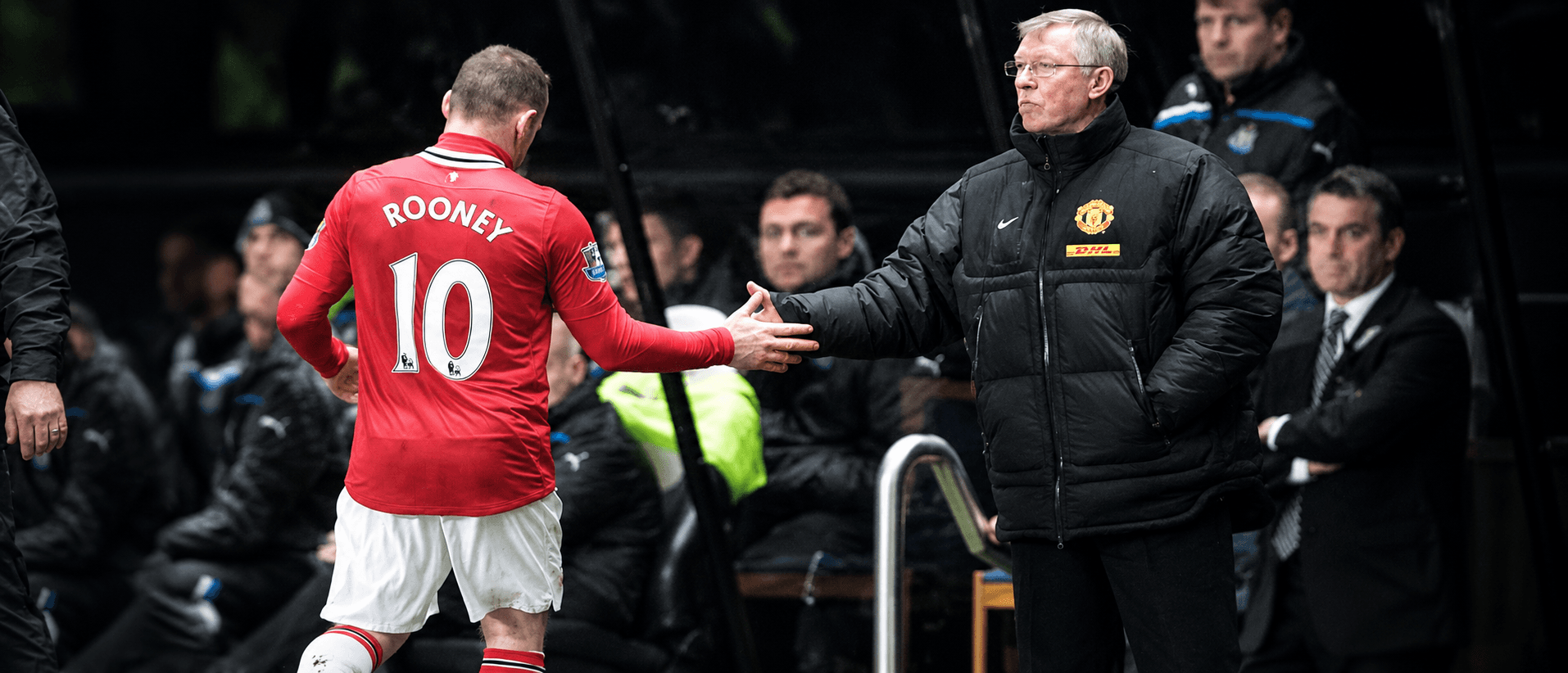
On 22 October, United announced that Rooney had agreed to a new five-year deal. He said Ferguson’s support had played a part in his decision. Ferguson said Rooney had apologised to him and his teammates for the public statement.
Rooney also said he was staying because he believed the management, board and owners were committed to maintaining United’s winning standards. The new deal ended the immediate uncertainty, but did not erase what had happened: a player who had questioned the club’s ability to compete had recommitted to it within days.
United went on to win the Premier League in 2010–11. That success showed the team remained capable of winning the title, though it could not settle every question Rooney had raised about the club’s longer-term plans.
Why Rooney later called it a mistake
In 2012, Rooney described his attempt to leave as the “biggest mistake” of his career. He wrote that injury, poor form and frustration had affected him in the weeks leading up to the statement. He also reflected that he had been unsure what he wanted.
His regret helps explain the reversal, but it does not make the earlier concerns disappear. In a 2022 BBC interview, Rooney still defended his right to question Ferguson about United’s transfer policy. His later reflections leave two ideas side by side: he believed the club should explain how it intended to stay competitive, and he believed going public as he did was a serious error.
The distinction matters. The episode is often reduced to a star demanding a bigger contract or threatening to join a rival. Rooney’s public statements centred on the future squad; his later account added personal frustration and uncertainty. Neither gives us a complete view of every private conversation, but together they show why the story was more than a negotiation over wages.
The question of 2013
Rooney’s future at United came under scrutiny again in 2013, after Ferguson left and David Moyes took charge. Rooney wanted clarity about his role, and Chelsea were linked with him. The circumstances were different from 2010, though the earlier episode inevitably shaped how the new reports were read.
Rooney did not submit a formal transfer request in 2013, according to the BBC’s reporting at the time. The distinction is useful: the two episodes were often bundled together, even though the details were not the same.
A short crisis with a lasting shadow
Rooney stayed at Manchester United for seven more years after the 2010 dispute. He became the club’s record goalscorer and won major honours, including five Premier League titles and the Champions League. The threat to leave lasted only days; the argument it exposed was harder to forget.
The episode was a collision between a player’s expectations and a club’s plans, played out in public before either side had fully explained itself. Rooney later wished he had handled it differently. He did not withdraw the underlying question: what was United doing to remain a team capable of winning?