
 England
In this story 4 sections
The final he could not play
At 18, Alan Hudson had already played in every round of Chelsea’s 1970 FA Cup run up to the semi-final. Then an ankle ligament injury at West Brom in March ended his chance of taking part in either final against Leeds United. Chelsea needed two matches to win the cup; Hudson watched both from the side-lines.
The detail that followed is unusual. The Football Association gave Chelsea one additional winners’ medal for Hudson. It was not a medal for a substitute appearance or a late cameo: he had not played in either final. The club’s account says the FA made this one-off award because of his place in the run and his age. The medal records how much Hudson had contributed before injury, while also marking the match he never got to play.
That absence can make the 1970 cup story sound like a near miss. It was one, but not the whole of his Chelsea career. Hudson returned to a team that would soon give him another European final, this time with him on the pitch.
From Stamford Bridge to Athens
Hudson had arrived in Chelsea’s first team as a teenager. His February 1969 debut came in a 5–0 defeat at Southampton, a grim beginning that says little about what he became. In a draw away to Tottenham that August, he was described as moving across the pitch to involve himself in play. Chelsea later recalled the way he carried the ball forward and judged the weight of a pass at the end of a run.
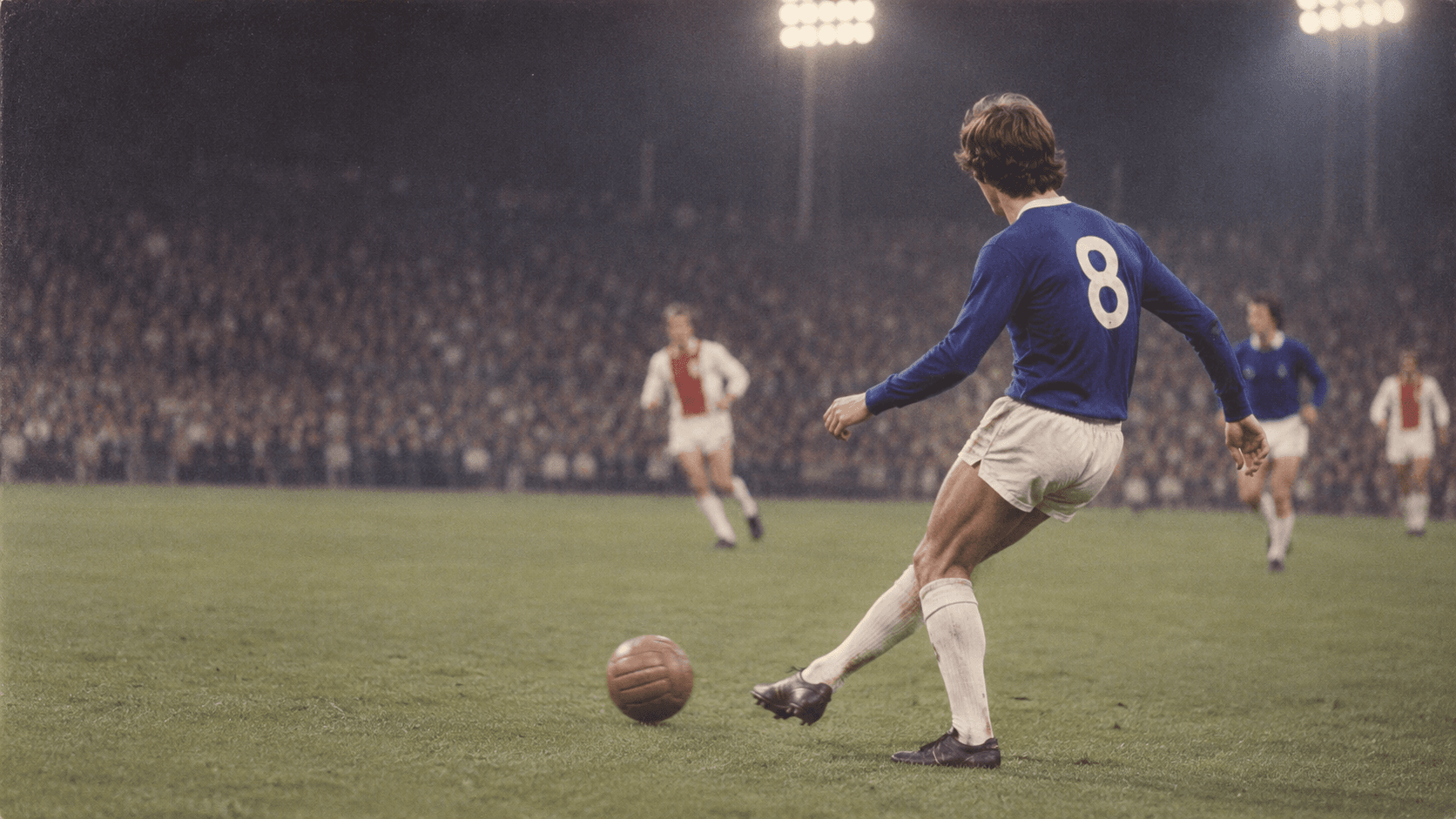
By 1971, he was a central midfielder in Chelsea’s European Cup Winners’ Cup side. The first final against Real Madrid finished 1–1. Two days later, in the replay in Athens, Chelsea won 2–1. Hudson played in both matches, and [Peter Osgood](https://www.footballspotlight.net/player/peter-osgood) scored in the replay. The contrast with the FA Cup is sharp: injury had kept Hudson out of the defining domestic occasion, but a year later he was part of the team that finished a European final.
His Chelsea record ended with 189 appearances and 14 goals, according to the club. Those figures include all competitions. They sit alongside the FA Cup medal and the European winners’ medal, two honours earned in very different ways.
A different kind of prime at Stoke
In 1974 Hudson moved to Stoke City to work under Tony Waddington. He was still only 22, but the move began the period many Stoke supporters associate with his best football. In 1974/75 he made 42 league appearances and scored four times, according to the season record. Stoke later placed him among the club’s legends when it drew on that campaign for a modern away shirt.
The career route then widened: Arsenal, a return to Chelsea in 1983 without another first-team appearance, and the original Seattle Sounders in the North American Soccer League. That Seattle side was not the current MLS club under a different name on a modern fixture list; it was a separate team and competition. Hudson played there from 1979 to 1983, before another Stoke spell.
Seattle’s later recognition was unusually concrete. Hudson received the club’s Golden Scarf in 2014 and was named in its All-Time Best XI. Former Sounders coach Alan Hinton also singled him out for his technical ability in a club interview. These are local memories, but they show that Hudson’s reputation travelled with him.
What two England caps can tell us
Hudson’s senior England career lasted two matches in 1975, both while he was at Stoke: a 2–0 win over West Germany and a 5–0 European Championship qualifier against Cyprus. He scored no senior international goals. That is a small return beside a club career that included a European final, a long Stoke spell and a second football life in the United States.
The records do not explain why England selected him only twice, so the cap total should not be turned into a verdict on ability or a claim about what might have happened. The better measure of Hudson is more specific: the teenager trusted with a full cup run, the injured player given an extra medal, and the midfielder who started Chelsea’s European final replay before becoming part of Stoke and Seattle history.